Falls remain the leading cause of workplace deaths in construction and industry. Yet accident investigations reveal a consistent pattern: equipment existed, but people chose wrong, installed incorrectly, or never inspected properly.
This guide walks you through seven proven systems—explaining how each works, where to use it, and what mistakes to avoid. No theory, just practical reality.
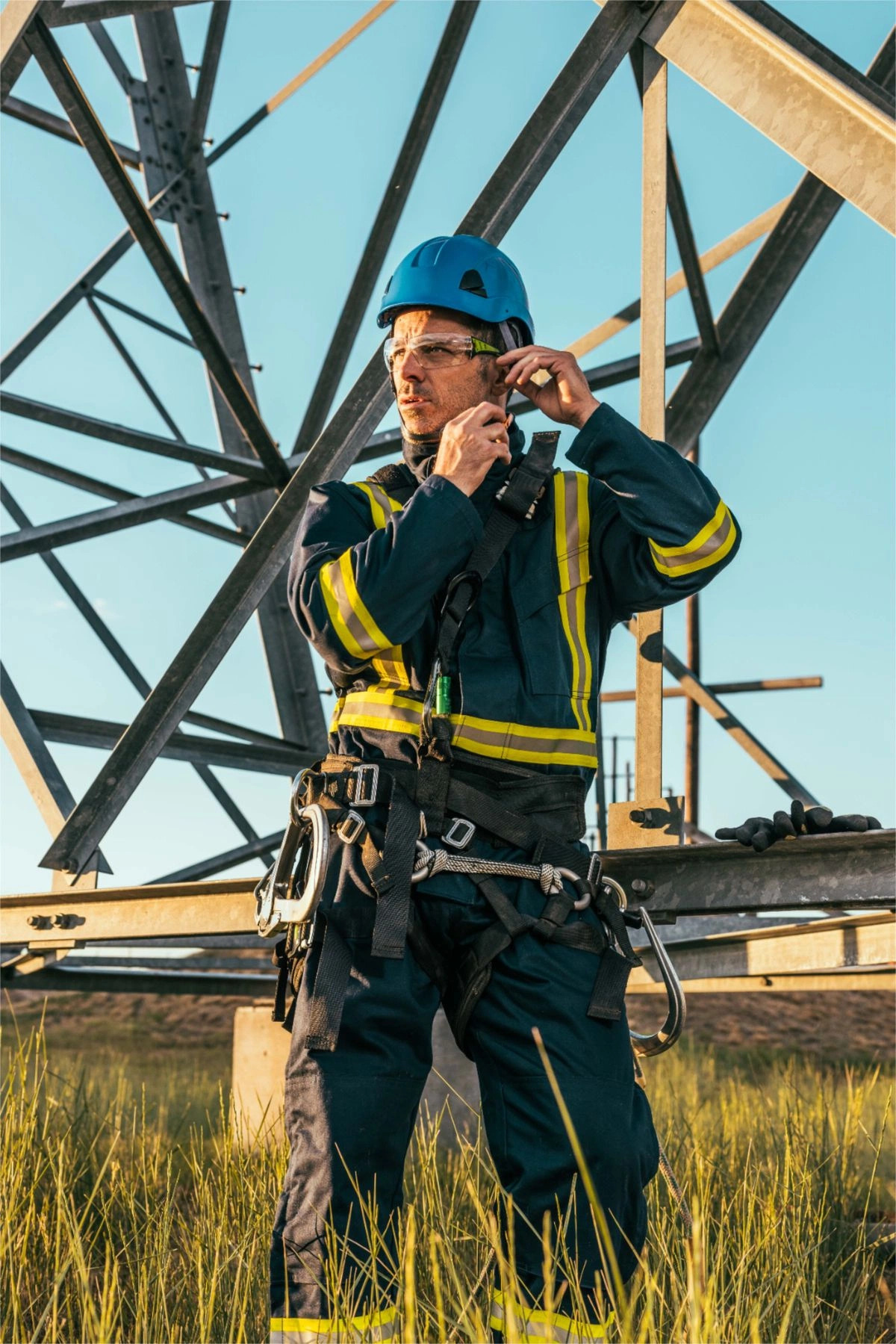
Why Fall Protection Matters
Falls aren't just accidents—they're preventable tragedies. Most incidents occur when the right equipment exists but gets applied to the wrong situation or used incorrectly. Understanding your options isn't optional; it's fundamental to protecting lives.
The Seven Fall Protection Systems
System 1: Guard Railing — The Most Effortless Choice
Guard rails work because they don't require human compliance. Once installed, they protect everyone automatically.
How It Works
Guard rails create a physical barrier preventing people from reaching dangerous edges. European standards specify tops at least 1,000 millimeters high, with middle rails and kickboards to prevent tools from rolling below.
Best for: Construction perimeters, rooftop edges, elevated platforms where people regularly move through without constant reminders to attach safety equipment.
Key detail: Workers installing the rails must already wear their own safety harnesses.
System 2: Position Limiting Systems — Prevention Over Protection
This system prevents falls by controlling how far workers can move. If your anchor point is 8 meters from the roof edge and your rope is set to 5 meters, workers physically cannot reach the edge.
When to Use It
Position limiting works for low-slope roof maintenance, tower platform work, and bridge inspections—situations with clear, measurable boundaries.
Standard: Equipment must comply with EN 354 (rope) and EN 361 (harness). Someone qualified must measure and document the rope length before work begins.
System 3: Personal Fall Arrest (PFAS) — The Most Common Solution
PFAS combines a full-body harness, shock-absorbing lanyard, and anchor point. When someone falls, the system arrests their descent within safe limits.
Critical Mistakes
The biggest error? Insufficient clearance below the anchor point. A standard lanyard (1.75 meters) needs approximately 6 meters of clear space total. Workers who don't calculate this often hit something during arrest.
No clearance? Use a shorter lanyard, install a mechanical arrester (EN 360), or move the anchor point higher. Those are your only three options.
Inspection requirements:
Before each use: Check for webbing damage, loose stitching, broken buckles
Annually: Formal inspection by qualified personnel
After any arrest: Dispose of the lanyard immediately—never reuse it
Standards: EN 361 (harness), EN 355 (lanyard).
System 4: Safety Nets — The Safety Net for High-Rise Work
Safety nets protect multiple workers simultaneously during high-rise construction, bridge work, and steel installation. When someone lands in a net, they can usually self-rescue—no emergency evacuation needed.
Position nets no more than 6 meters below the work area. Remove debris regularly; accumulated material reduces impact absorption.
Limitation: High installation costs and space requirements make this impractical for some projects.
System 5: Work Positioning Systems — For Vertical Operations
For facade work, curtain wall installation, and external tank maintenance, workers need to stay suspended vertically while keeping both hands free.
A positioning rope supports them against the work surface. Critically, they always need a backup arrest rope running simultaneously. If positioning fails, arrest takes over immediately—these aren't optional backup systems; they're essential dual systems.
Standard: EN 358.
System 6: Control Areas — The Minimal Approach
Warning ropes and signage mark dangerous zones. Workers self-regulate with supervisor monitoring.
Use only if all three conditions exist:
Slope less than 10 degrees
Short-term projects
Dedicated supervisor present constantly
Reality check: Regulators scrutinize "control areas only" approaches. Without comprehensive written risk assessments and monitoring records, expect penalties.
System 7: Custom Solutions — When Standards Don't Work
Metal roofs that can't be drilled, historic buildings where structure can't be altered, or massive roofs requiring horizontal worker movement need custom engineering.
Common custom options: Horizontal cable systems (EN 795 C-class), engineered anchor structures with load verification, or integrated multi-system approaches for high-risk facilities.
Process: Site assessment → structural analysis → design → installation → load testing → training → maintenance planning. None can be skipped; testing verification is essential.
Three Essential Elements Beyond Equipment
Having right equipment isn't sufficient without three additional factors:
Training, Documentation, and Annual Review
Training: Workers must understand how to wear harnesses correctly—adjustment points, D-ring placement, proper fastening. Incorrect use distributes impact forces dangerously.
Documentation: Maintain equipment records, inspection logs, and training records. These prove due diligence during inspections and provide critical evidence if incidents occur.
Annual Review: Evaluate your fall protection strategy yearly. Operations expand, equipment ages, standards evolve. Last year's solution may not fit current conditions.
Conclusion
Selecting fall protection isn't about choosing the most sophisticated or expensive option. It's about understanding how each system works, honestly assessing your situation, and making deliberate choices based on real requirements. Your workers are counting on you to get this right.