Working at height always requires fall-protection systems—but many people aren’t sure which type to choose. Whether it’s construction, equipment maintenance, or a one-off roof inspection, selecting the right solution starts with understanding when to use a Temporary Lifeline and when a Permanent Lifeline is more appropriate.
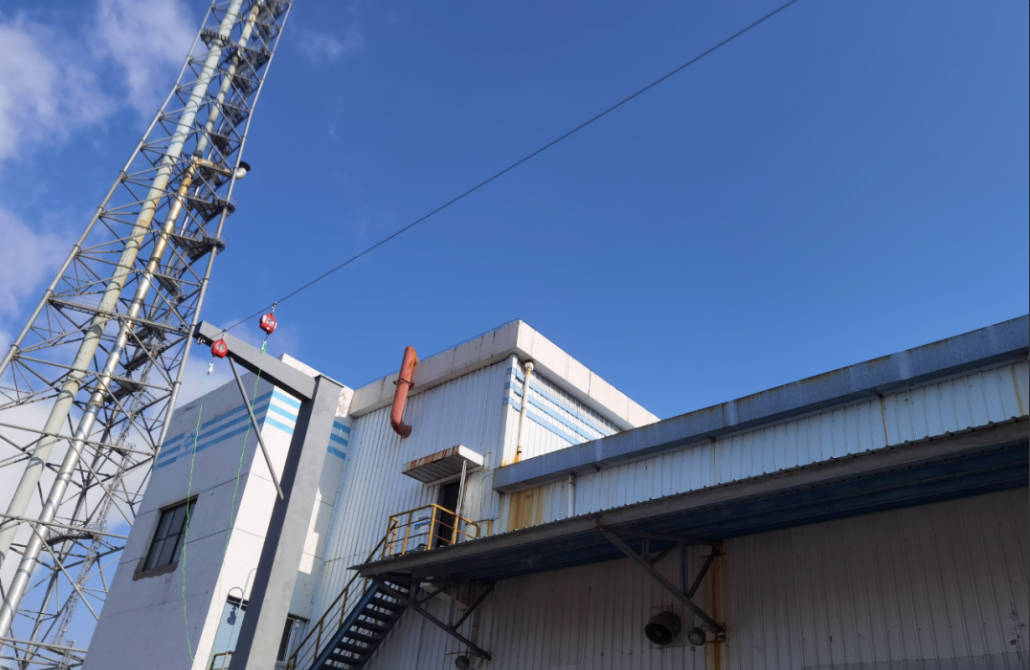
1. What Is a Temporary Lifeline?
A temporary lifeline is a fall-protection system designed for short-term work. It protects workers from falls at height and is characterized by its portability and modularity. It can be installed and removed quickly and usually doesn’t require permanent modifications to the structure.
Key points: Short-term, reusable, minimal impact on the structure—but relies heavily on proper installation and thorough pre-use inspection.
2. What Is a Permanent Lifeline?
A permanent lifeline is a fall-arrest or fall-restraint system installed long-term on a building or structure, either horizontally or vertically. It consists of durable cables or rail systems anchored at one or more points. Workers attach their lanyards or SRLs and can move freely along the line while remaining protected.
These systems are generally made from weather-resistant materials (stainless steel or galvanized steel) and require professional design and engineering approval.
Key points: Long-term, stable, ideal for frequent use—but requires upfront structural assessment and higher initial installation cost.
3. When to Use a Temporary Lifeline
Typical scenarios
Short-term inspections, roof patching, temporary equipment checks (from a few hours to a few days)
Construction phases or temporary structures (scaffolding, steel erection)
Mobile crews working across multiple sites; contractors who need portable equipment
Advantages
Flexible and reusable across different sites
Minimal impact on sensitive surfaces (e.g., waterproof membranes)
Fast installation/removal with low short-term cost
4. When to Use a Permanent Lifeline
Typical scenarios
Facilities requiring regular roof access (HVAC, solar panels, exhaust systems, etc.)
Designated access routes for multiple workers; industrial or long-term operational sites
Situations where long-term compliance and lower operating costs are priorities
Advantages
Install once and use for years, reducing installation errors
Improves efficiency (no setup required each time) and can support multiple users (as designed)
Highly durable and easy to integrate into facility management and annual inspection programs
5. How to Choose: Quick Decision Guide
Decision Factor | Temporary Lifeline | Permanent Lifeline |
Work frequency | Occasional | Frequent / periodic |
Duration of tasks | Short-term | Ongoing maintenance |
Structural conditions | Sensitive / cannot be penetrated | Structure meets load requirements |
Number of users | One or few | Multiple simultaneous users |
Budget emphasis | Lower upfront cost | Lower long-term cost |
Site characteristics | Mobile / changing sites | Fixed, ongoing operations |
6. Compliance & Practical Requirements
Standards & Certification
Follow applicable EN or national standards for anchors and lifeline systems. Equipment must have proper markings and traceable inspection records.
Inspection Frequency
Temporary systems: Inspect before each use and re-inspect after any abnormal event.
Permanent systems: Inspected at least annually by qualified personnel; workers must perform visual checks before use.
Documentation
All systems should have unique IDs, inspection cards, and maintenance/inspection logs for regulatory review.
Compatibility
All components must work together as an approved system. If any part is changed, relocated, or replaced, the entire system must be re-evaluated.
Rescue Planning
Regardless of system type, a rescue plan must be established and practiced to ensure timely response in the event of a fall.